 Instagram
 Advert enquiry

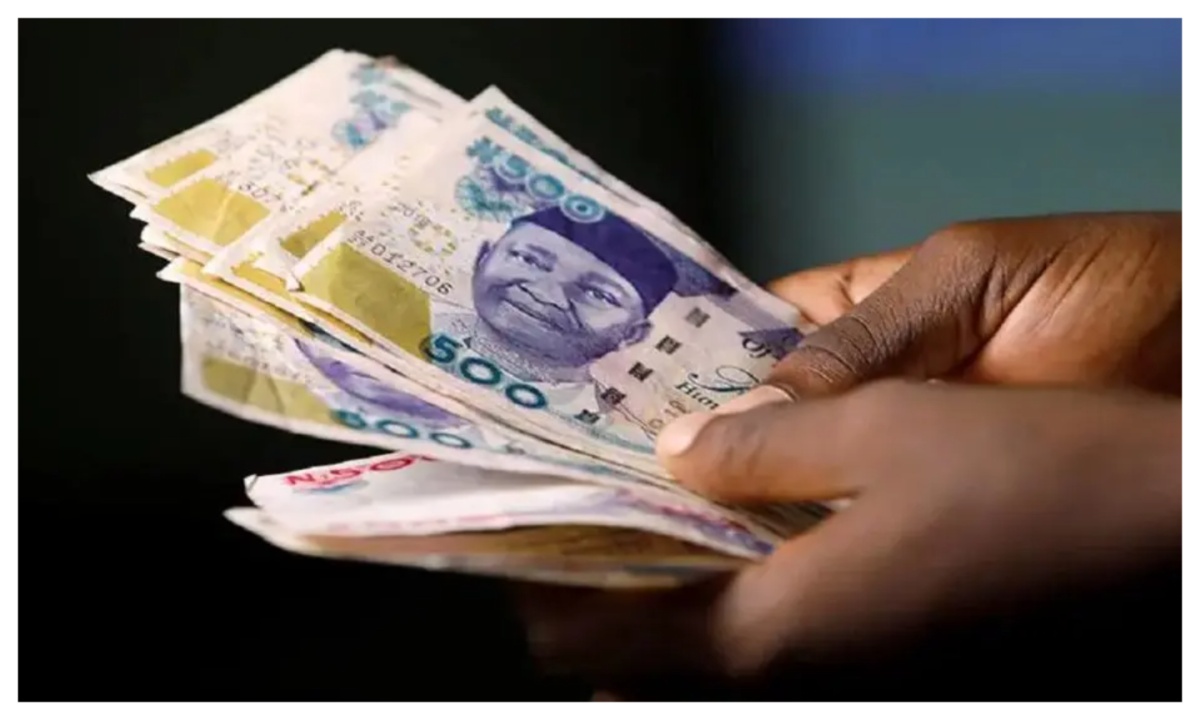
The Central Bank of Nigeria has retained its Monetary Policy Rate at 23 per cent, saying the recent decline of more than $300 million in external reserves reflects temporary seasonal movements.
CBN Governor Olayemi Cardoso announced the decisions at a press conference in Abuja following the Monetary Policy Committee’s 308th meeting.
The committee also maintained the standing facilities corridor at +50/-300 basis points around the policy rate. Cash Reserve Requirements remained at 45 per cent for deposit money banks, 16 per cent for merchant banks and 75 per cent for non-Treasury Single Account public sector deposits.
Cardoso said the committee recognised the continued easing of headline inflation but remained concerned about factors that could push prices higher. These included the Middle East conflict and its potential effect on energy costs, alongside increased spending during the festive season and election-related activities.
“Nevertheless, the committee judged that maintaining the current policy stance is appropriate to safeguard the gains of disinflation so far achieved, while remaining data-dependent and vigilant in taking further appropriate measures,” he said. He added that exchange rate stability and improved food supplies during the harvest season were expected to support further moderation in inflation.
According to Cardoso, headline inflation had eased for five consecutive months, reflecting a more stable exchange rate and improved transmission of monetary policy. However, he said persistent economic pressures had slowed the pace of improvement, prompting committee members to retain the current stance to anchor inflation expectations.
Addressing concerns about the fall in external reserves, Cardoso maintained that Nigeria’s reserve position remained strong. “Our reserves is in a very strong position. So, that, I want to say, has not changed. And in actual fact, I believe it will continue to improve. What you mention is something that is transient,” he said.
He explained that portfolio investors typically adjust their positions towards the end of the year, while domestic demand for foreign exchange also rises as users seek protection against uncertainty. Election-related spending was another factor influencing demand, he added.
“These are all seasonal issues. And of course, with the elections coming, there’s more spending that is going on. These are all seasonal. And we believe very strongly that as we go into the next year, we will find a major moderation in the volatility that you have seen,” Cardoso said.
He disclosed that gross external reserves stood at $54.02 billion on 17 November 2026, providing sufficient cover for 10.26 months of imports of goods and services.
Cardoso also pointed to a current account surplus and diaspora remittances exceeding $900 million in the latest month as factors supporting Nigeria’s external buffers. “I want to assure all Nigerians that the Central Bank of Nigeria will do everything that is possible to ensure that that stability, that hard-earned stability, will continue,” he said.












No comments yet. Be the first to share your thoughts.