 Instagram
 Advert enquiry

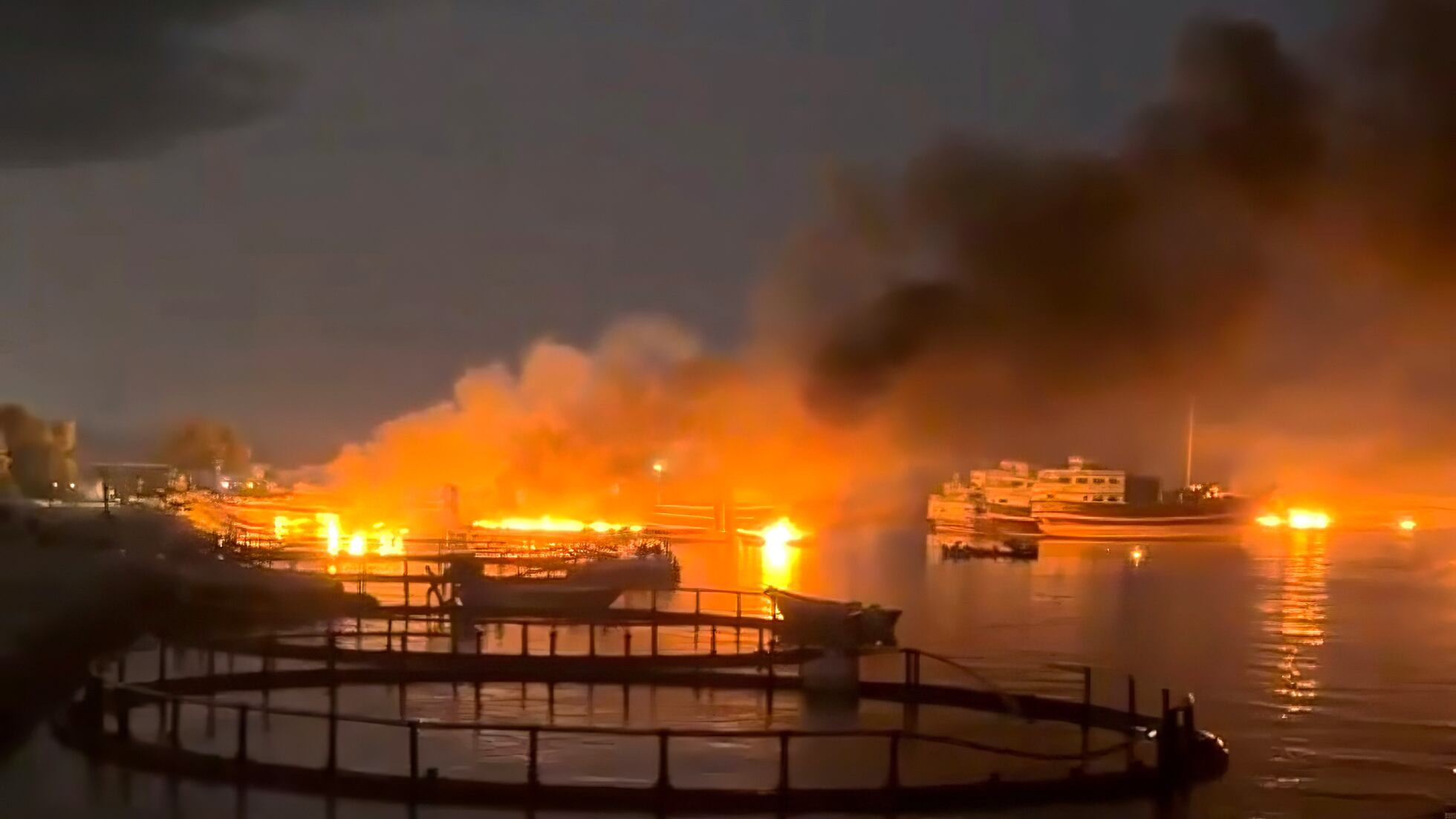
The Nigerian Upstream Petroleum Regulatory Commission (NUPRC) says it has classified 13 oil and gas wells as high or very high risk after screening 28 wells near reported gas seepage sites in Bille, Degema Local Government Area of Rivers State. The remaining 15 were rated medium to low risk.
In a statement on Friday, NUPRC spokesperson Eniola Akinkuotu said the commission was still investigating the source of the seepage. The regulator announced on 20 March that it had launched a coordinated technical investigation in Bille, which lies within the Oil Mining Lease 18 corridor. The first seepage was observed in October 2025.
Joseph Ogunsola, the commission’s director of subsurface development, gave an update at the annual conference of the Nigerian Association of Petroleum Explorationists. Represented by Azibamikiomun Adumo, Ogunsola said the team assessed the wells based on their proximity to the seepage sites and the reservoirs encountered during drilling.
Investigators physically inspected 14 wells but could not reach three others because they were submerged. The team heard gas hissing from some wells and found signs of corrosion or vandalism at other facilities.
Ogunsola said one well, about 2.5 kilometres from a seepage site, was originally drilled to explore for oil but was shut down after gas was discovered instead. Other wells are between 2.5 and three kilometres from the site. Investigators are working to determine whether the gas is coming from the shut-in well, other nearby facilities or natural geological sources.
The commission expects results from independent testing in the fourth quarter of 2026. The analysis will compare the chemical and isotopic signatures of gas samples to help trace the source.
While the investigation continues, the commission and operators have mobilised food supplies, medical outreach, firefighting vehicles and safety kits, alongside efforts to provide safe drinking water. Ogunsola said residents might need to be evacuated if the seepage was found to have a natural geological cause, as tracing how the gas moves underground and designing a way to stop it could be more difficult.














No comments yet. Be the first to share your thoughts.