 Instagram
 Advert enquiry


A deadly virus has been detected in a human patient for the first time, French health authorities announced on Thursday, October 22.
A patient was treated for the insect-borne Shamonda virus at Hospices Civils de Lyon. This was the first recorded human case of the virus.
French authorities stressed they saw no threat to the wider population at this stage.
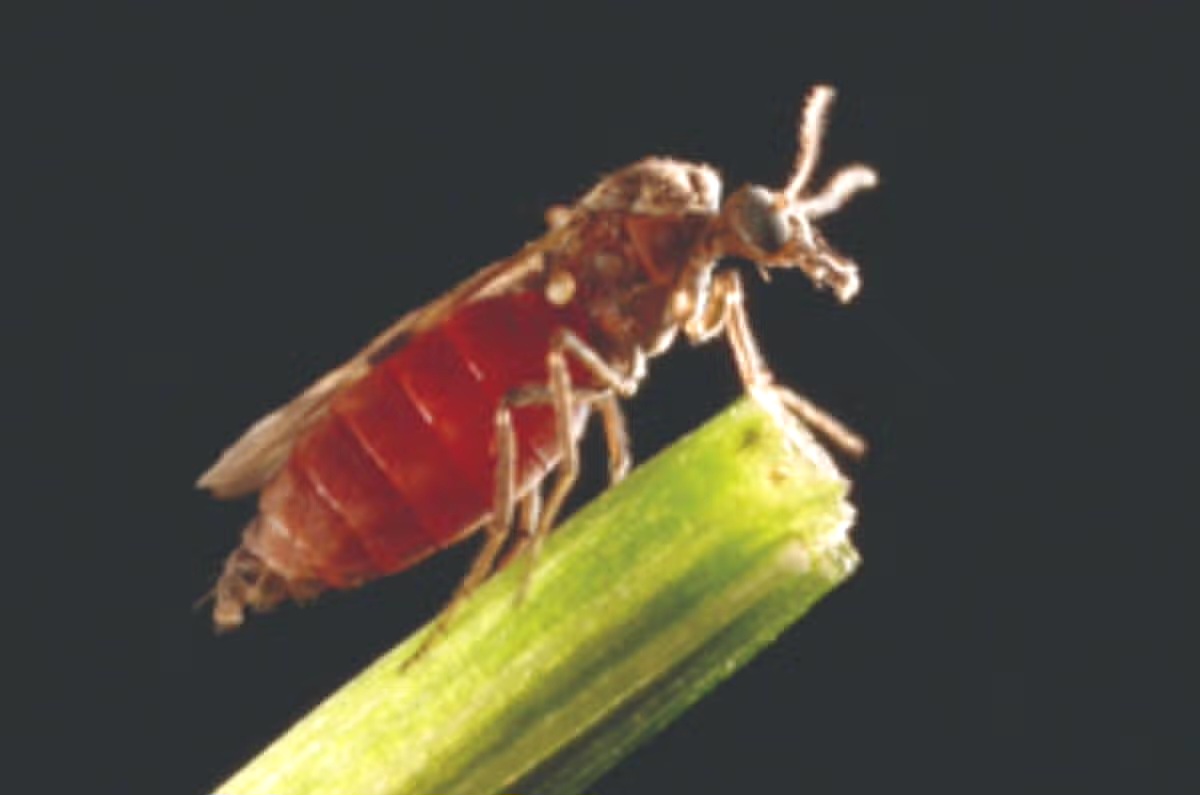
Shamonda virus is an insect-borne Orthobunyavirus chiefly affecting livestock, particularly cattle, and spread by biting midges.
"This is therefore an exceptional case involving a severely immunocompromised patient," the Ministry of Agriculture said.
The leading theory is that the patient may have been bitten by a Culicoides type midge in eastern France.
The virus had been circulating amongst animals in the area during spring and summer 2026.
"Furthermore, according to investigations already carried out, the cerebral complications observed in the immunocompromised patient before his death were very likely linked to infection with the Shamonda virus", the authorities added.
Clinical, biological and epidemiological investigations are ongoing in partnership with expertise in human, animal and environmental health.
The agency said despite decades of circulation of the Shamonda virus in Africa and Asia, no human cases had been documented until now.
French health authorities have also informed international health organisations, the World Health Organization (WHO) and the European Centre for Disease Prevention and Control (ECDC).
Initially identified in Nigeria during the mid-1960s, the illness has subsequently appeared sporadically in cattle across West, East and Southern Africa, as well as Japan.
This summer represented the first occasion it emerged in Europe, including at cattle farms across France.
In August APHA said cattle in Jersey displayed clinical symptoms matching those documented elsewhere in Europe which returned positive tests for the virus.
The agency said: "This confirms the virus is present in the British Isles and in close proximity to Great Britain, highlighting the potential for further spread across north-west Europe."
Incidents were also documented in southern Germany, Switzerland and the Netherlands.
Cattle are considered the primary host, though isolated infections in small ruminants and horses were also documented in France during the same timeframe.


















No comments yet. Be the first to share your thoughts.