 Instagram
 Advert enquiry

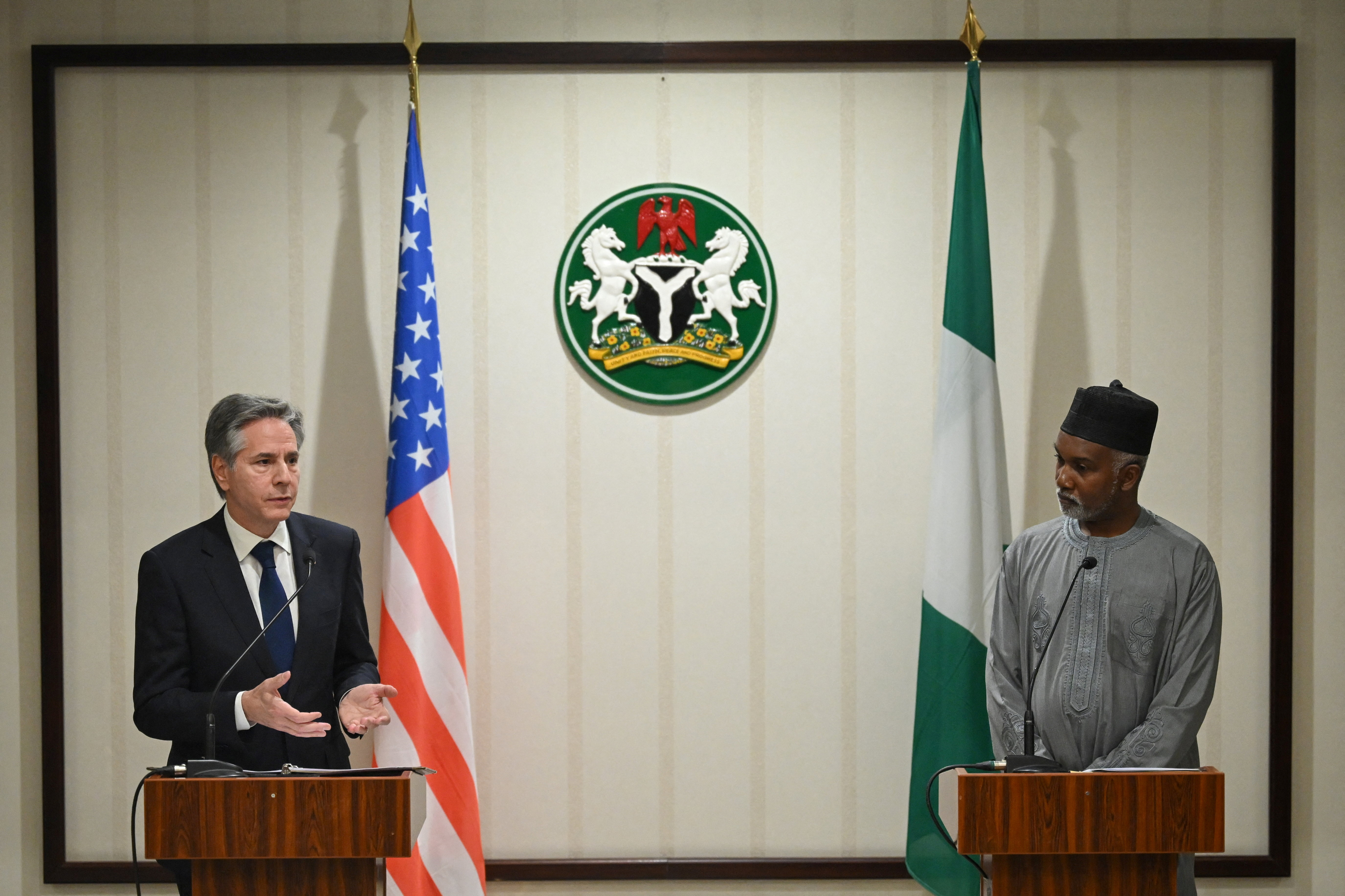
The United States Department of State has identified insecurity, corruption, port delays and regulatory uncertainty as major barriers to investment in Nigeria, despite signs of improving macroeconomic stability.
In its 2026 Investment Climate Statements on Nigeria, the department said the country’s business environment reflected the effects of “painful but necessary” structural reforms introduced by President Bola Tinubu’s administration.
The report said fuel subsidy removal and foreign exchange liberalisation initially caused significant economic volatility, although indicators in early 2026 suggested some stabilisation. Security risks, administrative bottlenecks and the social costs of those reforms nevertheless remained concerns for foreign investors. “The security environment is a primary variable which gives pause to potential investors,” it said.
Although attacks on oil infrastructure in the Niger Delta had declined, the report noted that oil theft and illegal bunkering continued. “In the North, the expansion of terrorist and ‘bandit’ groups continues to degrade the climate for agribusiness and mining,” it added.
The department also raised concerns about the treatment of foreign executives during regulatory disputes, citing the nearly eight-month detention of American Binance employee Tigran Gambaryan in 2024. “Furthermore, the use of coercive exit bans and detentions, highlighted by the high-profile nearly eight-month detention in 2024 of U.S. citizen Binance employee Tigran Gambaryan, serves as a cautionary note for foreign executives regarding the risks of aggressive regulatory friction,” the report said.
It warned that such incidents could influence perceptions of Nigeria as an investment destination. The report identified seaport inefficiencies as another significant burden, particularly for businesses dependent on imports and exports. “Port inefficiency remains a significant ‘hidden tax’ on investment,” it said.
According to the department, Lekki Deep Seaport handled $9.6 billion in trade in 2025 while operating at 50 per cent capacity, easing pressure on older facilities. However, cargo dwell times at Apapa and Tin Can Island ports continued to exceed 20 days because of manual examinations. “To address this, the government launched phase one of the National Single Window (NSW) on March 27, 2026,” the report said.
The platform is intended to integrate agencies, including the Nigeria Customs Service, the National Agency for Food and Drug Administration and Control, and the Standards Organisation of Nigeria, into a single digital workflow. The initiative aims to reduce cargo dwell times to fewer than seven days and eliminate 80 per cent of manual paperwork by the end of 2026.
The department acknowledged rising capital inflows but cautioned that these had not translated into a comparable increase in long-term investment in physical infrastructure. “Nigeria’s capital importation reached $21 billion in October 2025, a large increase from 2024,” it said. “However, 92 percent was made up of foreign portfolio investment (‘hot money’) seeking high interest rates, while actual foreign direct investment (FDI) in physical infrastructure remained modest.”
The report noted that Nigeria permits full foreign ownership in most sectors, subject to industry restrictions and licensing requirements. It also highlighted the Nigerian Investment Promotion Commission’s One-Stop Investment Centre, which coordinates 27 government agencies to assist investors with administrative procedures. US foreign direct investment in Nigeria reached $7.9 billion by the end of 2024, an increase of 25 per cent from the previous year, according to the report. Bilateral trade reached $14.8 billion in 2025.
Despite improvements in some economic indicators, the department said reforms had placed considerable pressure on households. “The fiscal correction came at a high social cost,” it said. The report said petrol prices had risen to “quintuple from 2023 levels” following subsidy removal, contributing to an estimated national poverty rate of 63 per cent in 2025. It attributed the poverty estimate to an April 2026 World Bank report.
Nigeria’s gross domestic product growth increased from 3.3 per cent in 2023 to 4.1 per cent in 2024 before easing to four per cent in 2025, the department said. It also cited Central Bank of Nigeria figures showing foreign exchange reserves of $50.45 billion in February 2026, described as a 13-year peak.
Headline inflation reached 34.8 per cent in late 2024 before falling to 15.15 per cent in December 2025 following the rebasing of the Consumer Price Index and subsequent methodological changes, according to the report. Food inflation stood at 10.84 per cent under the rebased index. The department described corruption as a continuing obstacle to investment. “Corruption remains a systemic barrier, including at seaports where customs delays impede trade,” it said.
Nigeria’s trade regime was described as “somewhat protectionist”, with high tariffs and import restrictions intended to protect domestic industries. The report said some businesses were required to invest in local production in exchange for permits and quotas to import the same products. While the government had introduced measures to improve regulatory predictability, the department said implementation remained inconsistent.
“Nigeria’s regulatory environment has transitioned toward a ‘structural reset’ designed to improve predictability, though implementation remains uneven,” it said. The report also identified the replacement of the Pioneer Status Incentive scheme with the Economic Development Tax Incentive, effective from January 2026, as a change requiring administrative adjustment by foreign businesses.

















No comments yet. Be the first to share your thoughts.