 Instagram
 Advert enquiry


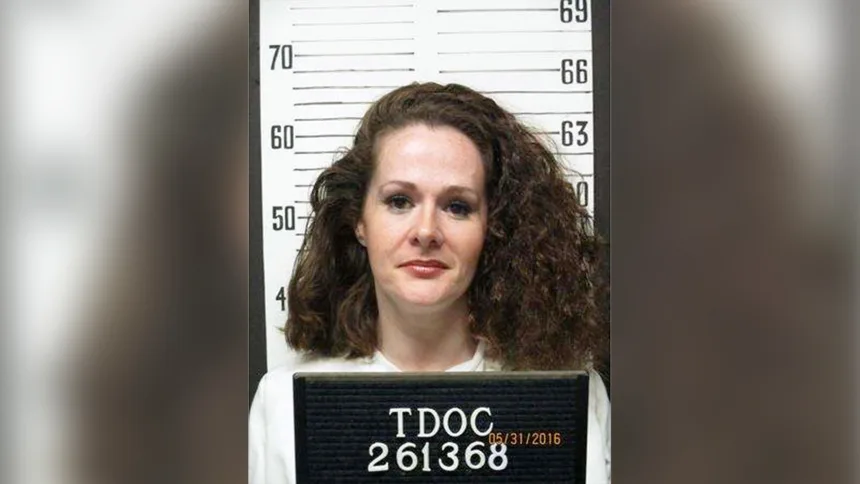
Tennessee execution team members failed multiple times to establish working IV lines in Christa Pike’s arms before her attempted execution, with staff warning that some of her veins may have ruptured—or "blown", prior to being injected with pentobarbital.
According to a court document filed Thursday by her attorney, Randy Spivey, the IV team went through roughly 10 needles and attempted several IV sites across both arms.
Spivey noted that execution staff even encountered difficulty pushing saline through the final IV site established.Pike, 50, was hospitalized after surviving two full doses of pentobarbital during the state's September 30 attempt to execute her for the 1995 stabbing death of classmate Colleen Slemmer.

Convicted at age 18 after torturing and killing Slemmer alongside her boyfriend, Pike became one of the youngest women ever sentenced to death.
Tennessee's state execution protocol mandates administering a second dose of pentobarbital if the first fails to cause death, but the policy contains no guidance on how to proceed if an inmate survives two full injections.
Following the failed procedure, Pike spent several days on a ventilator at a local hospital. Though her defense attorneys initially feared she would not survive, she eventually regained consciousness and was discharged back to prison. The botched execution attempt has sparked intense legal scrutiny and renewed debate regarding Tennessee's capital punishment protocols.
















No comments yet. Be the first to share your thoughts.