 Instagram
 Advert enquiry

By Mrs Ngozi Awa
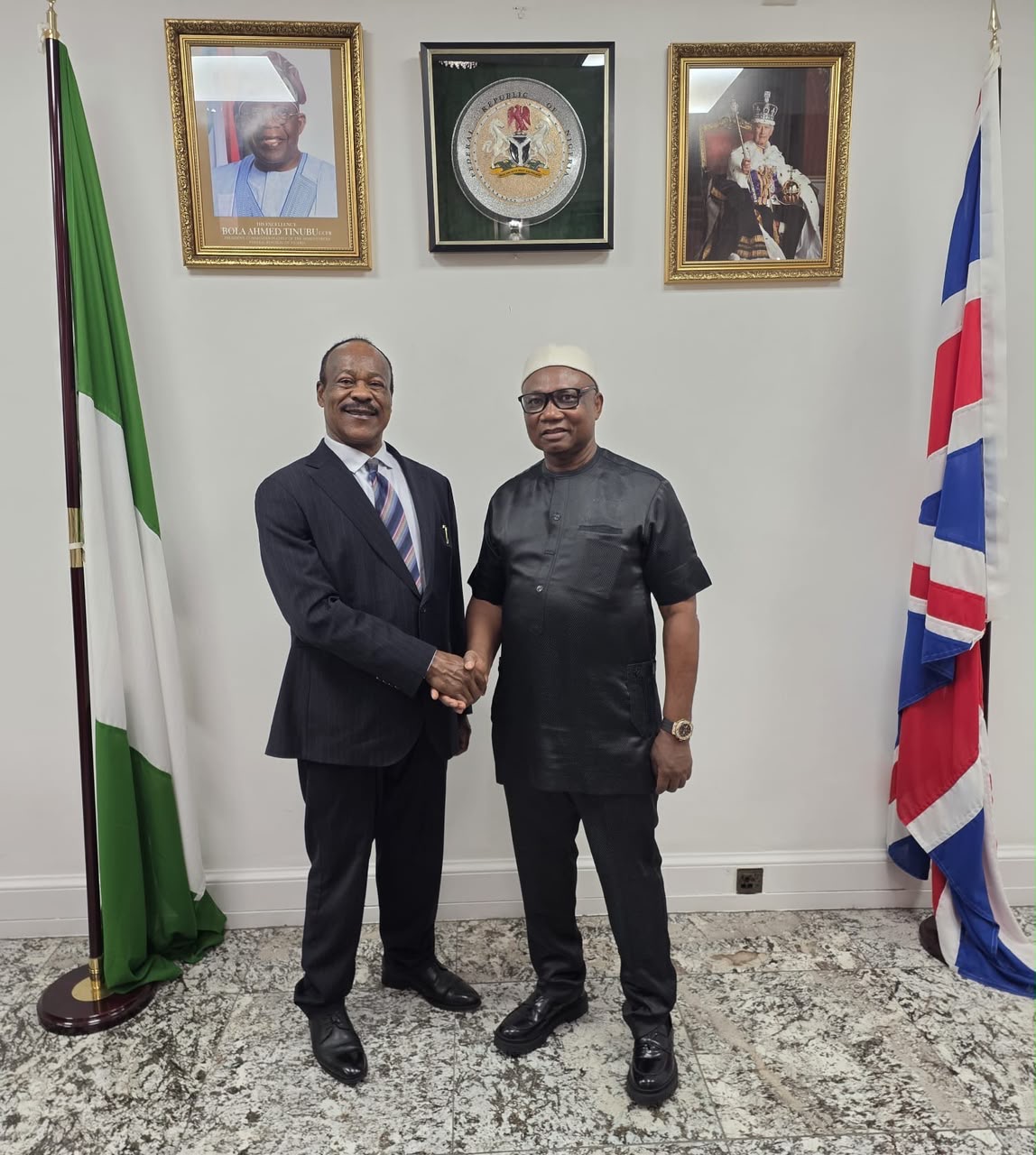
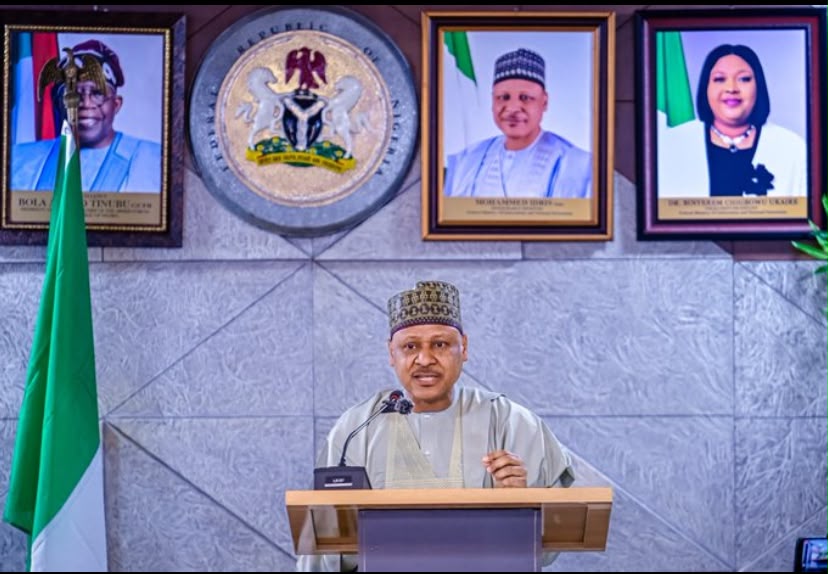
APC chieftain and Imo governorship front-runner, Chief Charles Orie, has paid a courtesy visit to Nigeria’s High Commissioner to the United Kingdom, Ambassador Amin Dalhatu. The High Commissioner pledged his support for Chief Orie’s efforts to promote diaspora inclusion in the affairs and development of their homeland. He encouraged Orie to sustain his engagement with Nigerians abroad and supports his aspiration ahead of the 2027 Imo State governorship election.
Ambassador Dalhatu gave the assurance on Friday when Chief Orie, accompanied by a delegation, visited him in London. Discussions focused on strengthening engagement with Nigerians in the diaspora, developing a clearer understanding of their needs and aspirations, and exploring how the Nigerian High Commission could support their participation in matters affecting their communities and country of origin.
During the visit, Chief Orie reaffirmed his unwavering support for President Bola Ahmed Tinubu and Governor Hope Uzodimma. He pledged to continue mobilising support for the President across Imo State and among Nigerians in the diaspora, with the aim of securing victory for President Tinubu in Imo State and the wider South-East in the forthcoming presidential election.
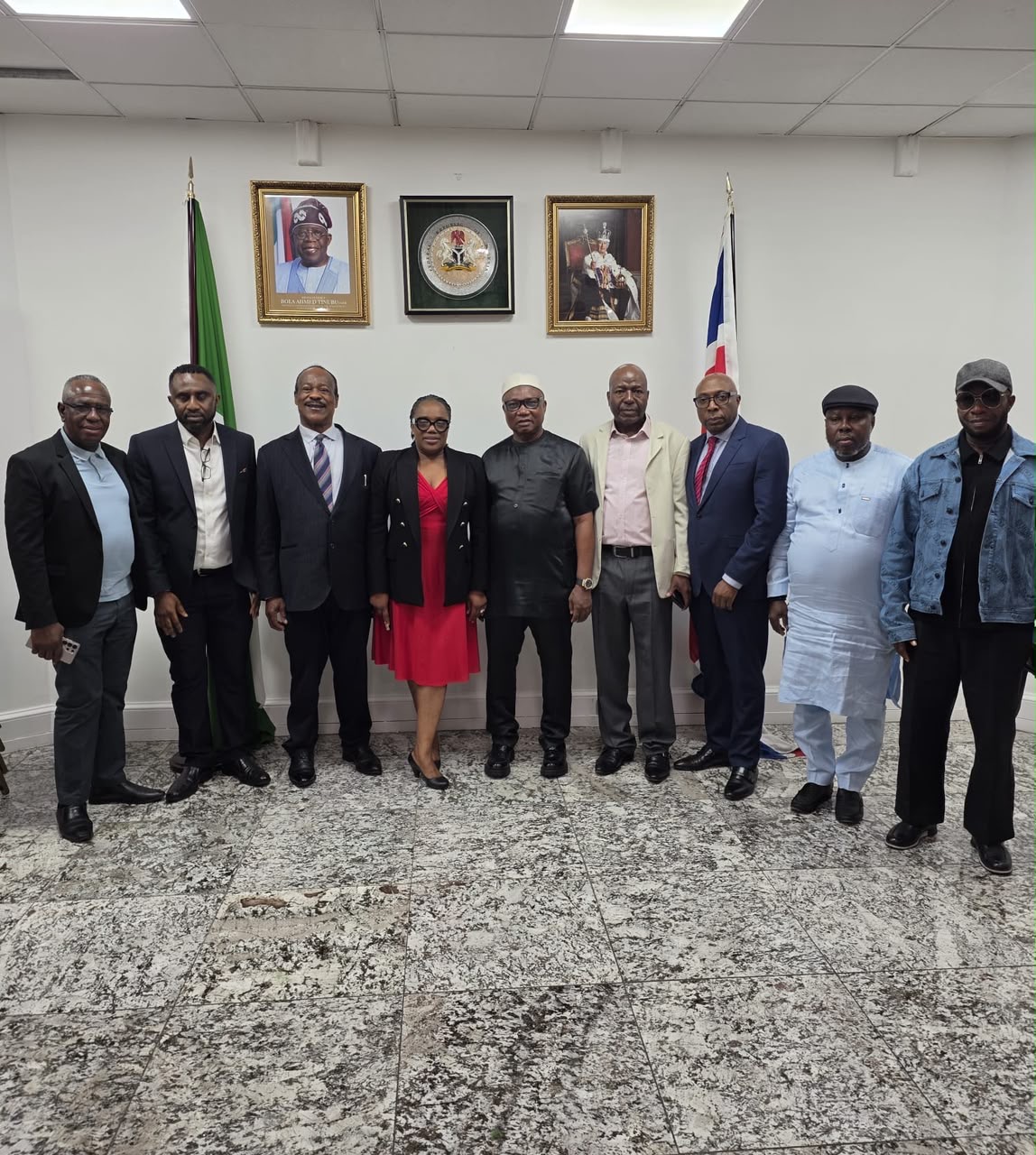
Members of the delegation included Barrister Sympathy Nwosu, Mrs Ngozi Awa, Chief Nwanosike Uche, Elder Aloysius Nnawugo, Barrister Chibuzo Ubochi, Hon Ejike Ikezuagu, Chinedu Ekwenugo, and Barrister Sam Eze.
A key issue discussed was the need for a more comprehensive understanding of the Nigerian diaspora, including its diverse experiences, professional capabilities, interests and expectations. The meeting also considered how the High Commission could serve as a stronger link between Nigerians living in the United Kingdom and opportunities to contribute to development back home.
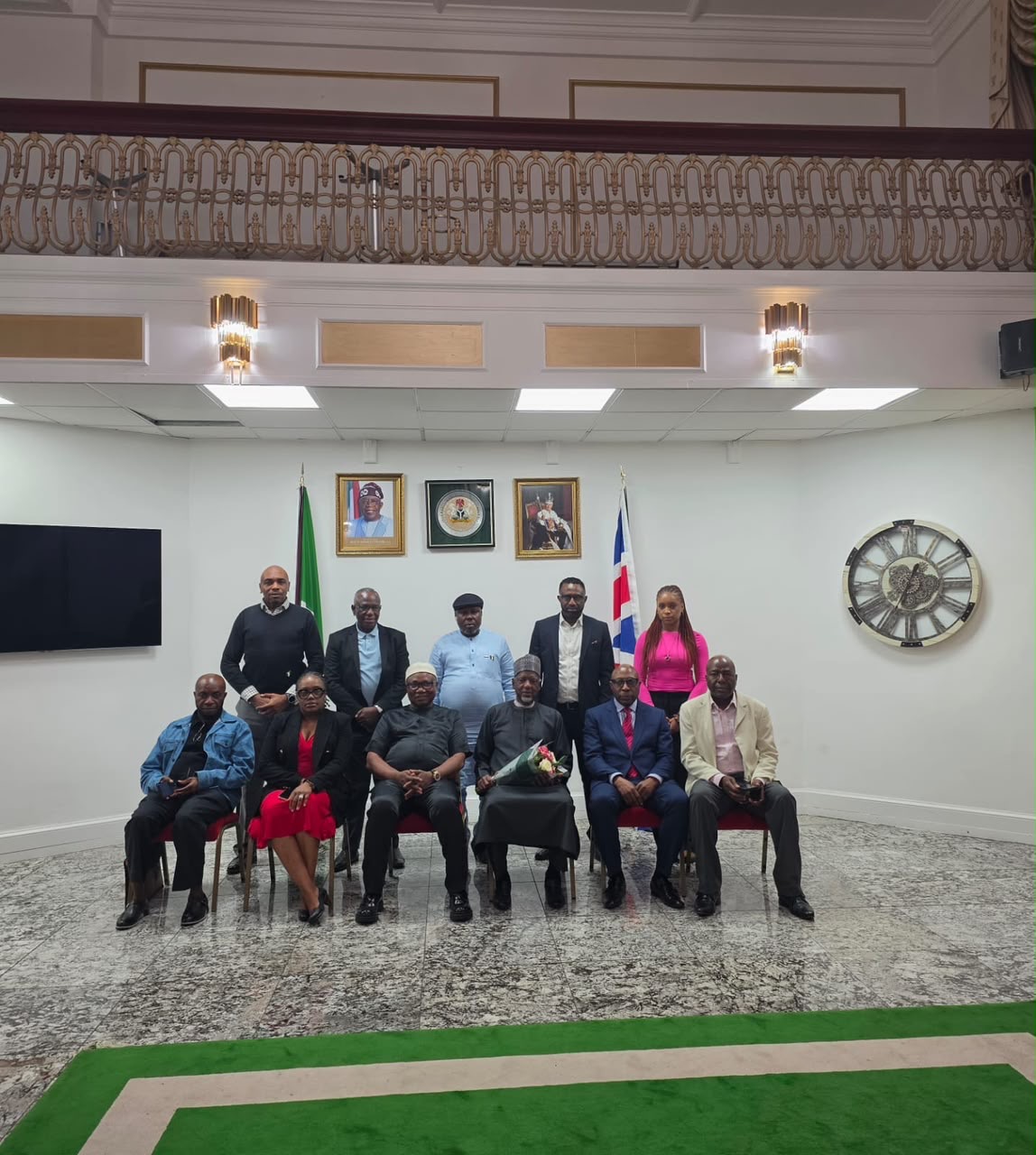
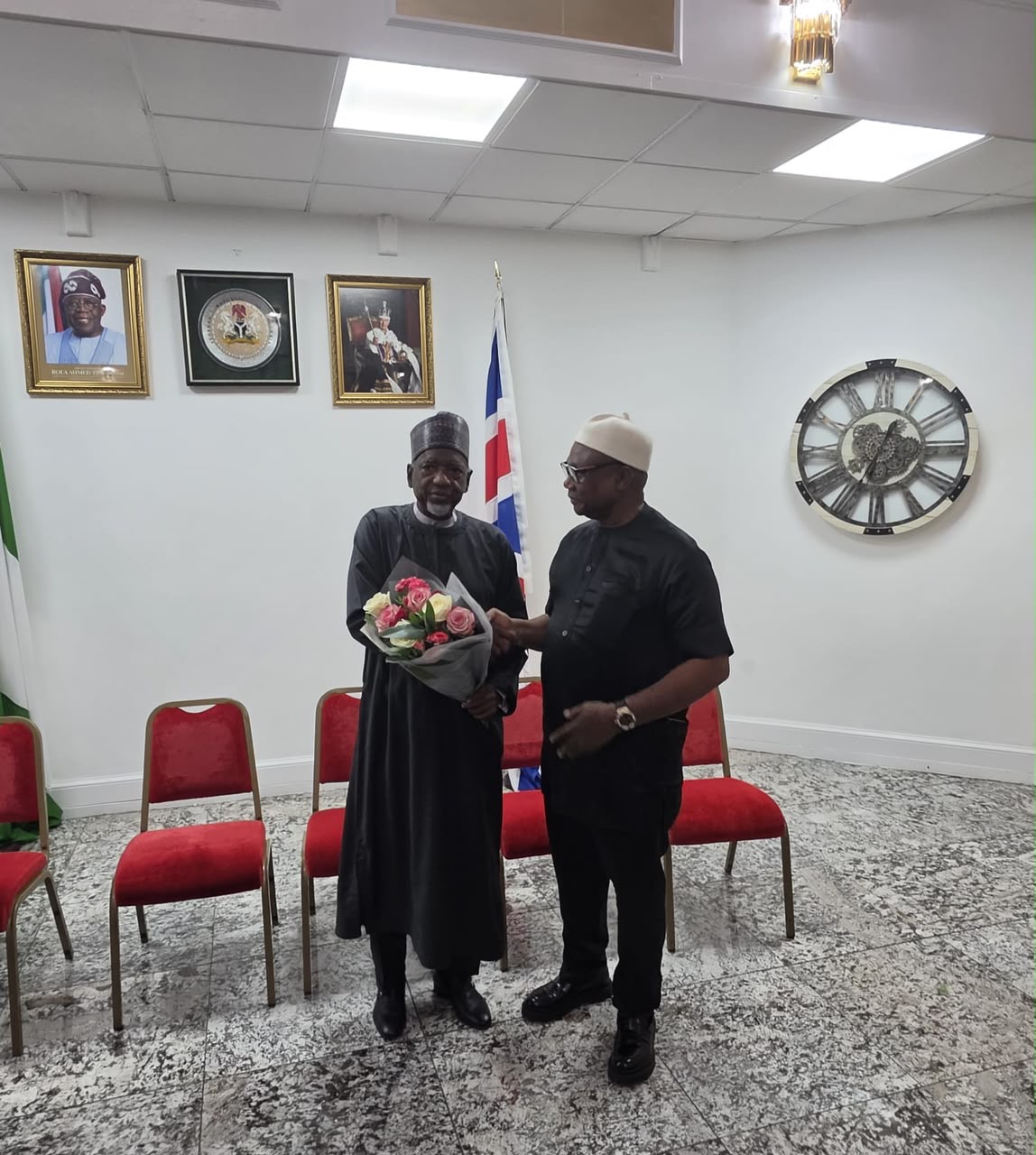
In his response, Ambassador Dalhatu pledged his support for Chief Orie and encouraged him to sustain his efforts to ensure that Nigerians abroad are included in discussions and initiatives concerning their homeland. His encouragement underscored the importance of sustained engagement with diaspora communities and recognition of their potential to contribute to national and community development.
The High Commissioner noted that the Nigerian diaspora is the third largest diaspora community in the United Kingdom, after those of India and Pakistan. He said Nigerians make significant contributions to British society and can be found in every profession. According to him, there are about 15,000 Nigerian doctors and 15,000 Nigerian nurses working in the National Health Service (NHS).
He added that many Members of Parliament are of Nigerian descent, alongside numerous mayors and councillors. Nigerians are also well represented in information technology, law, banking and finance, and the police.
Ambassador Dalhatu further stated that the diaspora is one of the four pillars of President Bola Ahmed Tinubu’s agenda. He observed that diaspora remittances are now close to surpassing Nigeria’s income from oil.
For Chief Charles Orie, meaningful diaspora engagement must go beyond maintaining family connections and cultural ties with the homeland. It should create practical opportunities for Nigerians living abroad to contribute their professional expertise, experience, networks and resources to Nigeria’s development. His vision recognises that the diaspora represents a valuable source of knowledge, enterprise and international connections that can help address challenges at home.
By strengthening relationships between Nigerians abroad, their communities of origin and relevant institutions in Nigeria, Chief Orie seeks to encourage greater participation, shared responsibility and a more inclusive approach to development.
For Imo State, as for the country at large, this presents an opportunity to harness the considerable potential of Nigerians abroad while building stronger partnerships for sustainable progress.
For many Nigerians living in the United Kingdom, maintaining connections with their homeland extends beyond family ties and cultural identity. Their professional knowledge, investments, entrepreneurial activities and international networks can offer valuable opportunities for communities seeking long-term development. However, translating this potential into meaningful outcomes requires more than goodwill. It depends on effective communication, a clear understanding of diaspora needs and practical channels through which Nigerians abroad can contribute to initiatives at home.
The role of the High Commission in facilitating these connections was therefore an important part of the discussions. As Nigeria’s diplomatic mission in the United Kingdom, it provides an important point of contact for Nigerians seeking to maintain links with their country, engage with relevant institutions and explore opportunities for constructive collaboration.
The visit provided Chief Orie and his delegation with an opportunity to engage directly with Nigeria’s diplomatic mission on ways to strengthen diaspora participation. It also highlighted the value of collaboration between community representatives and diplomatic institutions in ensuring that Nigerians overseas remain connected to developments in their country of origin.
The engagement comes amid wider recognition of the Nigerian diaspora as an important national asset whose contributions extend beyond financial remittances. While remittances provide vital support to families and communities, the diaspora also possesses professional expertise, business experience, technical knowledge and international networks that can support enterprise, innovation and institutional development.
Harnessing this potential requires an inclusive approach that recognises the voices, aspirations and capabilities of Nigerians wherever they reside. It also requires sustained dialogue and practical initiatives that enable diaspora communities to participate in shaping the future of their homeland, rather than limiting their involvement to occasional consultations or financial contributions.
Ambassador Dalhatu’s pledge of support and encouragement to Chief Orie provides a positive basis for continued dialogue on these issues. The next step is to build on such engagements by identifying practical ways to improve communication, strengthen partnerships and create opportunities for Nigerians in the diaspora to participate meaningfully in community and national development.
Ultimately, a stronger relationship between Nigerians abroad and their communities at home can help transform shared aspirations into lasting contributions to national progress. The challenge is to ensure that the goodwill expressed during engagements of this nature is sustained through cooperation, inclusion and practical action.
For Chief Orie, the wider objective is to promote a more connected relationship between Nigeria and its diaspora — one that recognises Nigerians abroad not merely as people living outside their homeland, but as valued partners whose experience, skills, resources and commitment can contribute meaningfully to the country’s future.











No comments yet. Be the first to share your thoughts.