 Instagram
 Advert enquiry

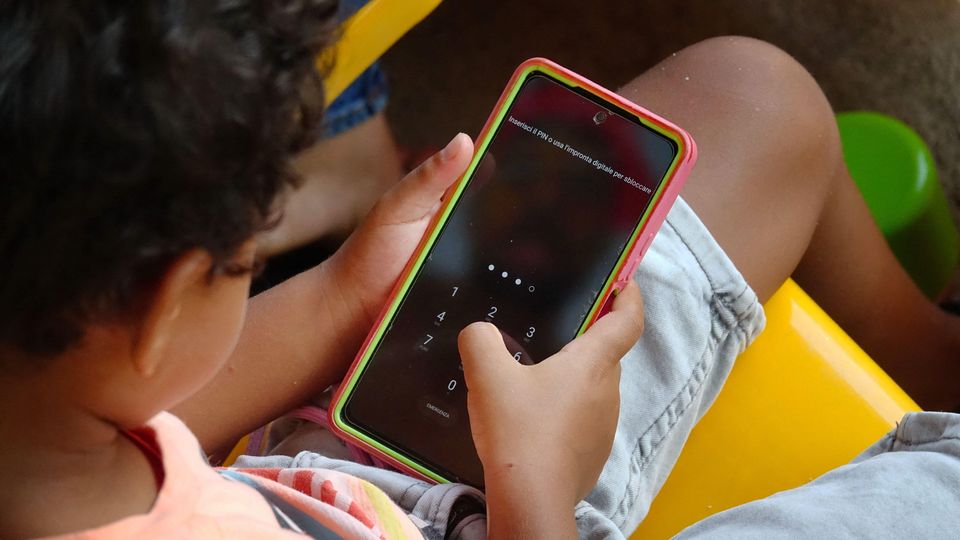
A new study has found that screen time could damage children more than being born into poverty.
An analysis of more than 2.8 million children found heavier screen use was linked to poorer school performance, weaker language skills and more emotional and behavioural problems.
Researchers said the strength of these links was “similar in magnitude to or larger” than other established influences on child development, including socioeconomic status, parenting behaviour and premature birth.
The research, led by academics at the University of Calgary in Canada, examined screen use such as gaming, social media and streaming in 64 countries.
The study, published JAMA Pediatrics, brought together 23 previous statistical reviews in an “umbrella review”, intended to assess the overall picture emerging from a large body of evidence.
Higher screen use was associated with lower overall academic achievement and poorer language development, as well as difficulties with friendships and other relationships with peers.
Children who spent more time on screens also had greater symptoms of anxiety and depression, alongside behaviour such as aggression and symptoms of attention deficit hyperactivity disorder.
"Our review revealed that higher so-called doses of screen exposure are associated with lower overall academic achievement and poorer language development, as well as higher internalising and externalising behaviour, emotional problems and peer problems,” the authors wrote.
“Notably, these effect sizes are similar in magnitude to or larger than those reported for other well-established predictors of children’s outcomes, such as socioeconomic status, parenting behaviour and preterm birth,” they added.
However, the comparison concerned the strength of associations reported in research, rather than a direct test of whether screens cause more harm than poverty. The findings cannot establish that screen use itself caused the problems.
Children experiencing difficulties may spend more time on screens, while family circumstances could also contribute to their digital habits and their wellbeing.








No comments yet. Be the first to share your thoughts.