 Instagram
 Advert enquiry


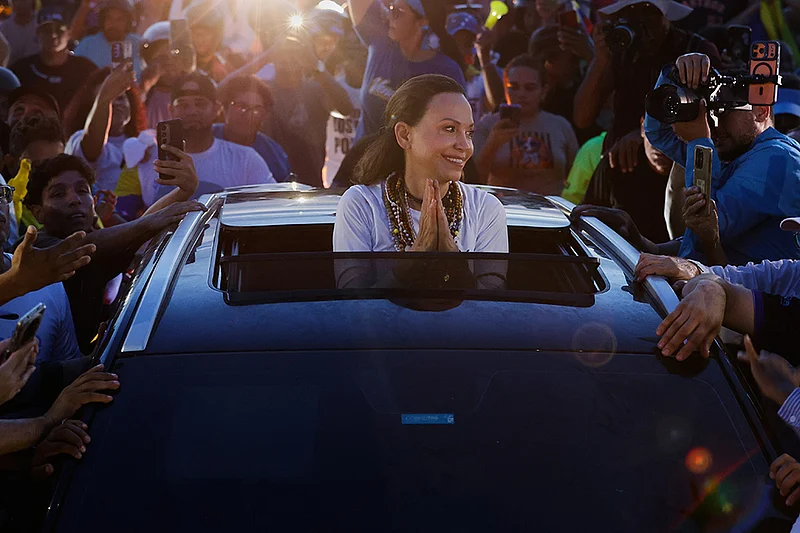
Venezuelan opposition leader María Corina Machado returns after months in exile, receiving a jubilant welcome from supporters in Caracas.
Venezuelan opposition leader María Corina Machado has returned home after more than 10 months in exile, arriving to cheering crowds as the country faces an uncertain political future following the removal of former President Nicolás Maduro.
“I am here. With you,” Machado wrote on X on Sunday, confirming her return after several unsuccessful attempts to re-enter Venezuela.
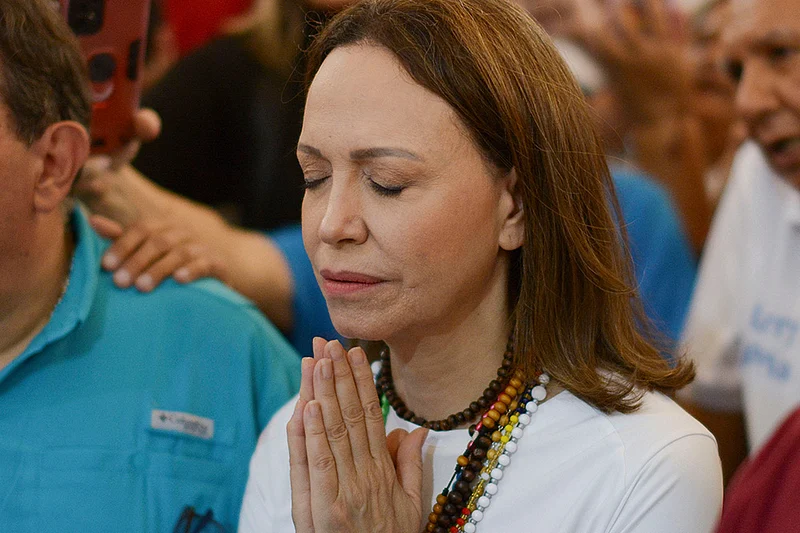
Machado was photographed attending Mass at a church in Lara state, where supporters embraced her and clasped her hands.
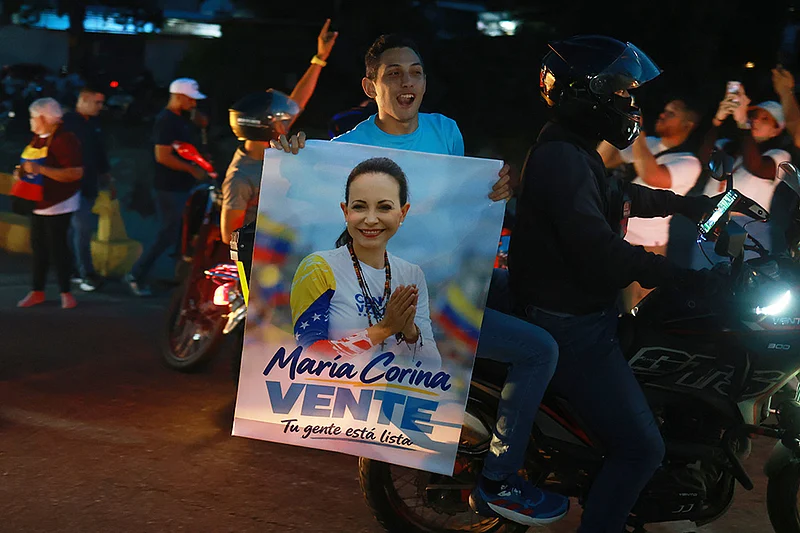
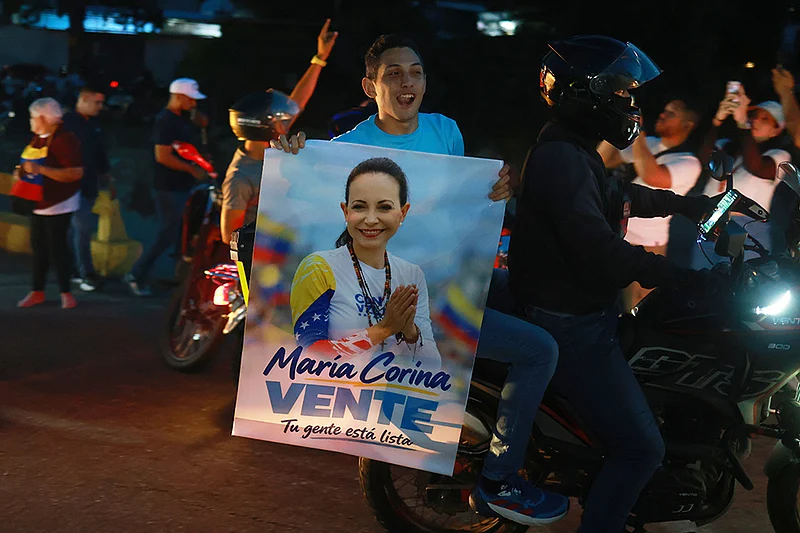
She later travelled towards the capital, Caracas, in a caravan of cheering supporters, with more people lining the route to welcome her.
Photographs showed her smiling and leaning out of a car’s sunroof as she entered Caracas late on Sunday.
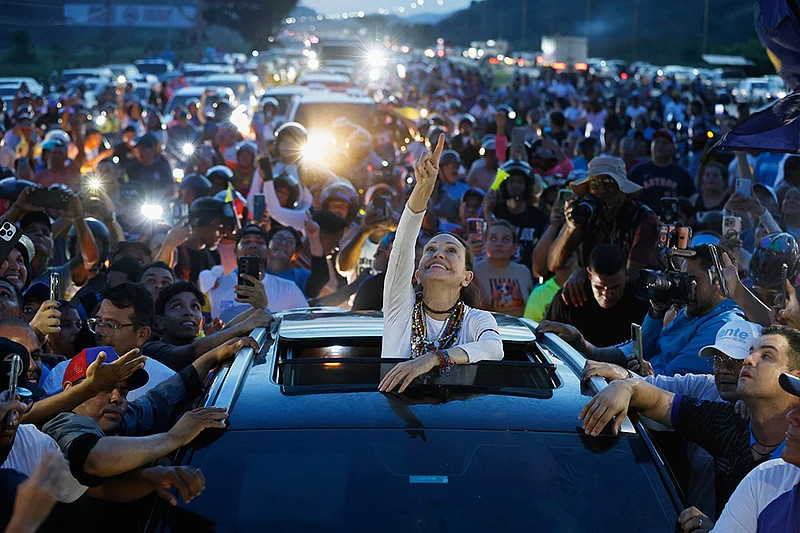
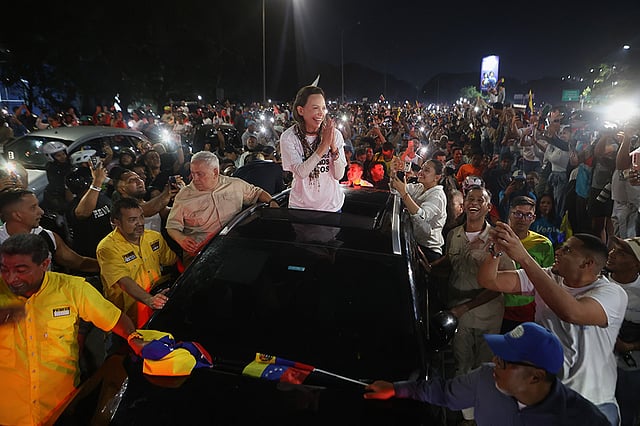
“Night of reunion in our Caracas. For the reunion of each family, for the Freedom of each political prisoner, for the Freedom of Venezuela,” she wrote on X.
Her ally and former presidential candidate, Edmundo González, also confirmed her arrival.
“I am thrilled to announce to you that our leader, my dear María Corina, is on Venezuelan soil,” González said in a statement.
“Today is a very important day for Venezuelans. Our sovereign voice returns with her to lead and guide this process!”
González said he would soon join Machado in Venezuela to advance the country towards freedom.
Machado’s return follows months of uncertainty over whether she would be allowed back into the country.
An adviser disclosed in September that she had attempted to return seven times in the preceding weeks but was denied entry on each occasion.
Reports suggested the United States had been involved in delaying her return, an allegation Washington denied.
Machado fled Venezuela by speedboat under cover of darkness in December 2025 to receive the Nobel Peace Prize in Norway.
A month later, US forces seized Maduro and removed him from Venezuela. He is currently detained in New York, where he faces drug, weapons and torture charges. He has pleaded not guilty.
Following Maduro’s removal, the Trump administration backed his deputy, Delcy Rodríguez, who was sworn in as interim president and subsequently signed an oil agreement granting favourable terms to the United States.
Machado’s political future remains uncertain, although she has previously expressed her willingness to contest another presidential election.
She won the opposition primary ahead of Venezuela’s disputed 2024 election but was barred from running by Maduro’s government over allegations of fraud and tax violations.
Machado denied the accusations, describing them as politically motivated.
González subsequently contested the election in her place against Maduro.
Venezuela’s electoral authority declared Maduro the winner without publishing detailed voting tallies. The opposition rejected the result, maintaining that González had won and publishing copies of voting records as evidence.
Machado’s spokesperson, David Smolansky, described her return as “a major step toward a democratic transition and free, fair, and verifiable presidential elections in the near future.”
“We thank President Donald Trump, Secretary of State Marco Rubio, the US Government, Congress, and allied governments for their continued leadership and support.”
Asked about Machado’s return on Sunday, Trump said he had no prior knowledge of it but hoped she was safe.
“I don’t know anything about” her return, Trump told reporters. I think she’s a very nice woman. She gave me her Nobel Prize, so how can I say anything else? And I hope she’s safe.”
Machado visited the White House in January and presented her Nobel Peace Prize medal to Trump, although the Nobel Committee subsequently clarified that the prize itself could not be revoked, shared or transferred.
US Secretary of State Marco Rubio credited American-backed reconciliation talks with creating the conditions for Machado’s safe return.
“The conditions allowing for the safe return of Ms Machado to Venezuela is the direct result of the US supported reconciliation talks which has already seen hundreds of political prisoners freed and hundreds of political opposition figures return from exile.”
He called on political actors to support the negotiations, describing them as Venezuela’s strongest opportunity in 30 years to achieve peaceful democratic change.
“We expect all political actors to support these talks which represent the best chance Venezuela has had in thirty years to peacefully achieve not just a free and fair election but an enduring democracy

No comments yet. Be the first to share your thoughts.