 Instagram
 Advert enquiry

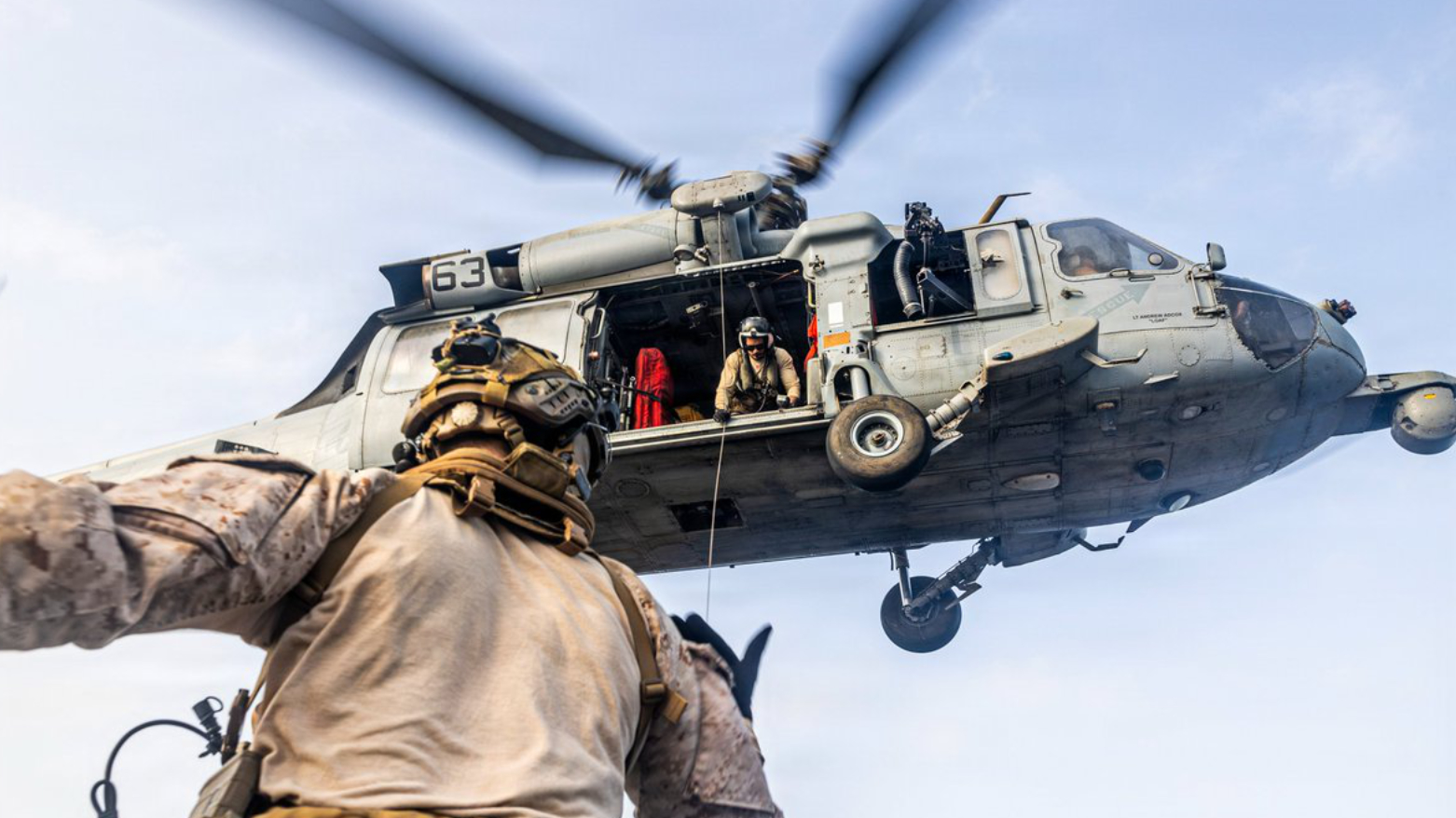
The United States military has had 81 aircraft destroyed or damaged in the conflict with Iran, according to a Congressional Research Service (CRS) report published this week.
The losses encompass a mix of fixed-wing airplanes, helicopters, and unmanned aerial vehicles. The MQ-9 Reaper drone, utilized extensively for intelligence, surveillance, reconnaissance, close air support, and combat search and rescue—accounted for over half of all recorded platform losses.
The tally also includes high-value, specialized Pentagon assets, including an F-35A stealth fighter jet and an E-3 Sentry Airborne Warning and Control System (AWACS) aircraft, which features a prominent rotodome radar used for airspace management and target tracking.
Depending on Defense Department replacement strategy, the total direct cost of replacing or restoring the lost platforms ranges between $1.9 billion and $3.3 billion, based on Congressional Budget Office assessments cited in the document.
The broader financial strain of the conflict remains significantly higher, with overall operational expenditures estimated at $45 billion. That figure excludes structural damage to U.S. regional military bases, where several aircraft losses took place.
Some platforms recorded in the total have since returned to service. This includes eight F-15 Strike Eagle fighter jets that sustained light damage during an Iranian strike on Muwaffaq Salti Air Base in Jordan in September.
The CRS compiled its report using official disclosures from the Department of Defense, the Office of the Inspector General, and U.S. Central Command, alongside verified news reports.
The report highlights multiple oversight questions for lawmakers, examining whether the Pentagon is supplying sufficient detail regarding losses to accurately assess operational impact and formulate remedies.
Defense reporting on equipment losses in the region has remained broadly aggregated, with a September Inspector General report covering military actions between February 28 and June 30 relying in part on earlier CRS data.
Congress must also evaluate potential supplemental appropriations for repairs and acquisitions, determine domestic industrial base capacity to meet replacement demands, and assess the broader downstream effects on foreign military sales.
Additionally, the analysis raises concerns about overall U.S. strategic posture outside the Middle East, noting that attrition in low-density, aging, high-demand fleets like the E-3 Sentry could create air dominance and surveillance coverage gaps in other operating theaters.
Defense analysts noted that ongoing operations across the region, including the conflict with Iran and earlier confrontations against Houthi forces in Yemen, have severely depleted the MQ-9 Reaper fleet.
Air Force Chief of Staff Gen. Kenneth Wilsbach previously described the platform to lawmakers as a core operational asset in the region.
Forty-five MQ-9 units have been lost in the Middle East this year alone, contributing to a cumulative loss of approximately 35 percent of the Air Force's total Reaper inventory since 2004.









_1791222507.jpeg)







No comments yet. Be the first to share your thoughts.