 Instagram
 Advert enquiry

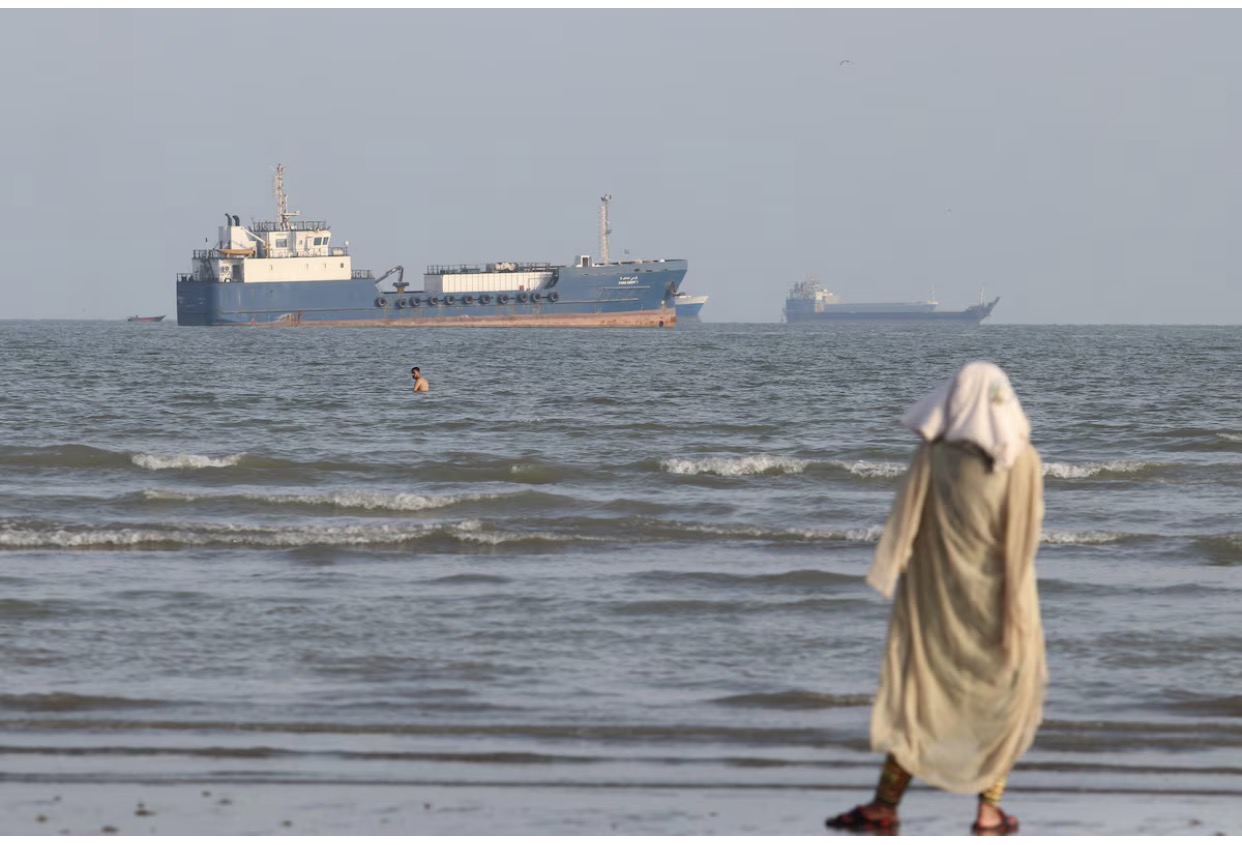
Iran is deploying new tactics to target commercial shipping in and beyond the Strait of Hormuz as part of a strategic effort to maintain high global oil prices and influence the upcoming United States midterm elections, according to senior Iranian officials.
Tehran has sought to exert control over the vital trade corridor since US and Israeli strikes against Iranian infrastructure commenced on February 28.
The waterway, which carried roughly one-fifth of global oil and liquefied natural gas trade before the conflict, has experienced severe traffic disruptions, elevated insurance costs, and rising energy prices.
Two senior Iranian officials told Reuters that the country adopted a revised operational strategy approximately 10 days ago. While declining to disclose specific operational details, the officials indicated that the changes involve shifts in both the tempo and nature of attacks directed at vessels deemed in violation of Iranian maritime restrictions.
"The aim is to frustrate efforts by the United States and its allies to bring down global oil prices," one official stated, adding that the strategy was formulated at the highest levels of Iran’s leadership.
A second official characterized the standoff as a strategic chess match, asserting that Tehran intends to prevent US leadership from stabilizing or lowering oil prices ahead of the November ballot.
"Such vessels would be safe nowhere, even outside the Strait of Hormuz," the official added.
Furthermore, Iranian sources indicated that operations are moving toward a near-complete closure of the waterway for unauthorized vessels.
Accoridng to Reuters, a US military official, speaking anonymously, confirmed that Iranian forces have altered tactical patterns following extensive damage to coastal radar infrastructure.
The Islamic Revolutionary Guard Corps (IRGC) has increasingly deployed unarmed spotters aboard small boats including a recently intercepted dhow neutralized by US forces to relay target coordinates to strike units.
Despite these measures, the US military noted that the decimation of the Iranian navy has limited Tehran's ability to halt a steady ramp-up of oil exports transiting the strait.
Independent maritime security data and incident reports submitted to the United Kingdom Maritime Trade Operations (UKMTO) reflect a noticeable surge in attacks over recent days. Incidents involving drone strikes and targeted harassment against tankers operating near Hormuz have mirrored early-October levels, marking a renewed escalation.
Security analysts monitoring the region report that operations are expanding beyond the immediate Strait of Hormuz corridor into the Gulf of Oman and adjacent waters off the coasts of the United Arab Emirates and Qatar.
The ongoing naval standoff continues to keep global energy markets exposed, as maritime authorities maintain a severe threat rating for commercial shipping operating throughout the Persian Gulf.
_1791926320.jpeg)

_1791911156.jpeg)












No comments yet. Be the first to share your thoughts.