 Instagram
 Advert enquiry


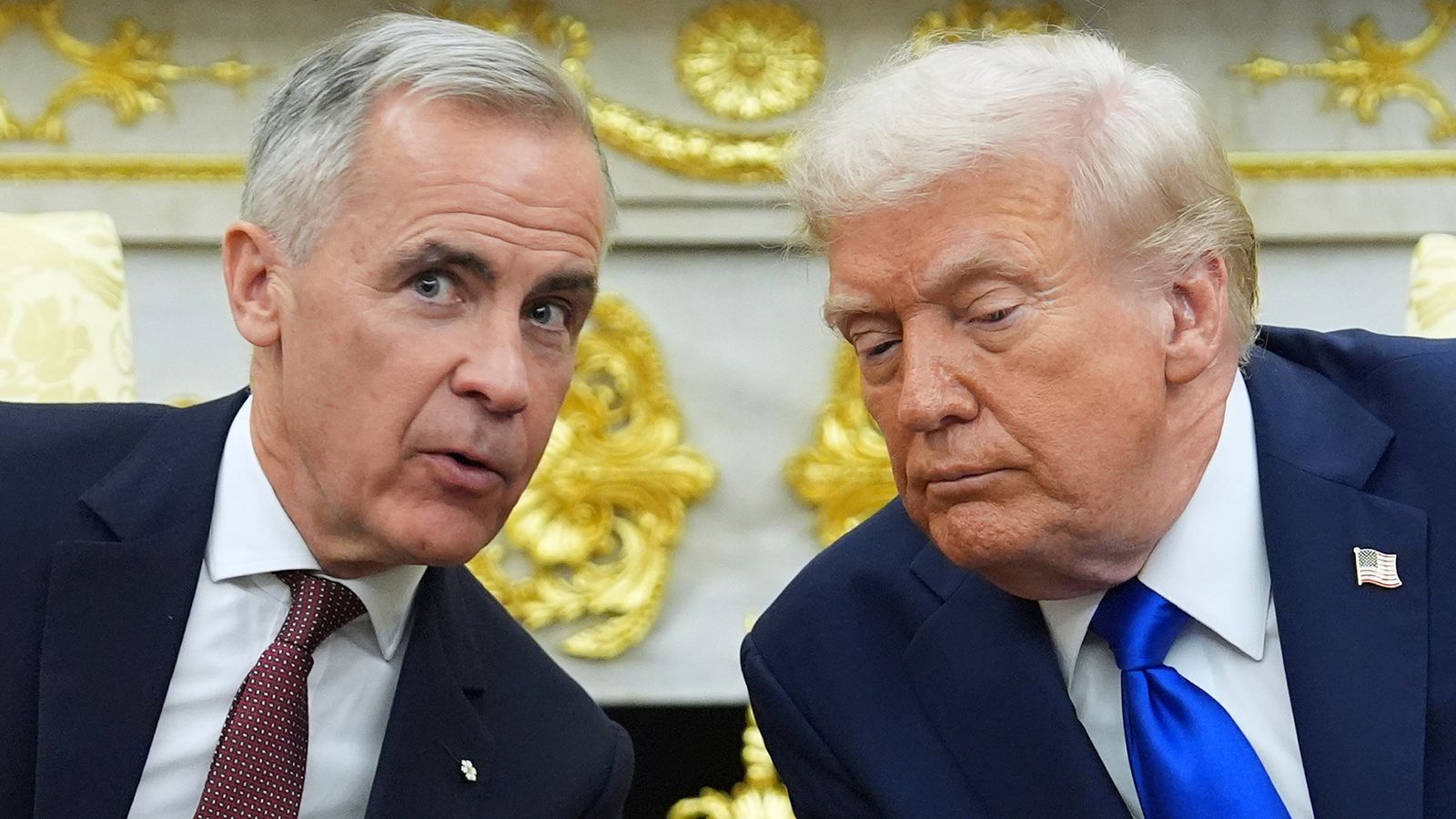
Voters in Alberta have rejected a proposal to begin a process that could lead to the Canadian province’s independence, according to a CBC projection early Tuesday. Unofficial results from Elections Alberta showed that, with more than 1.4 million votes counted, approximately 76 per cent supported remaining in Canada, while nearly 24 per cent backed starting the separation process.
The vote was not a direct referendum on independence. It asked whether Alberta should remain in Canada or begin a legal process that could eventually lead to another vote on separation. More than 1.35 million people, representing 43 per cent of eligible voters, had cast advance or special ballots. Prime Minister Mark Carney welcomed the projected outcome, describing it as a clear endorsement of Canadian unity.
“Albertans made a clear choice,” he said. “They chose unity, to build together, and to take care of each other. Above all, Albertans chose Canada.” Carney said the result would allow the country to focus on diversifying trade, developing major infrastructure and strengthening its energy industry, with Alberta playing a central role.
The vote took place amid tensions with the United States over President Donald Trump’s trade policies and repeated suggestions that Canada become the 51st US state. Alberta Premier Danielle Smith, who opposes independence, also welcomed the early results. “Albertans have voted for a stronger Alberta in a united Canada,” she wrote on social media.
Smith called the vote following pressure from separatists within her governing United Conservative Party. She said she would address residents on Tuesday evening about the outcome and the province’s future. Thomas Lukaszuk, a former Alberta deputy premier who led the Forever Canadian campaign, celebrated the projected rejection of the proposal. “We are a solid country that’s united from coast to coast to coast,” he told supporters.
Separatist leaders nevertheless argued that the vote demonstrated a substantial level of dissatisfaction with the federal government. Keith Wilson, a leader of the movement, cautioned that counting was incomplete but said the early figures showed that roughly a quarter of Albertans believed the province deserved better treatment.
Jeff Rath of the Alberta Prosperity Project said campaigners would continue advocating independence despite the apparent defeat. “We’re not going anywhere,” he told supporters at a referendum-night gathering in Edmonton. Rath also called for Smith’s removal as UCP leader and suggested divisions within the party could lead to the formation of a new pro-independence party.
Former premier Jason Kenney said separatist parties had historically attracted only one or two per cent of the vote. He linked the movement’s growth partly to activists mobilised by opposition to COVID-19 restrictions. Alberta is a major oil-producing province and a conservative stronghold with longstanding grievances against the federal government in Ottawa. Those tensions have not traditionally translated into broad support for independence.
Some voters supported the proposal because they believed Alberta contributed more to Canada than it received in return. Others criticised the cost of holding a preliminary vote and argued that public money should instead support services such as healthcare. Results were delayed after late openings at more than 100 polling stations prompted extensions to voting hours on Monday.













No comments yet. Be the first to share your thoughts.