 Instagram
 Advert enquiry


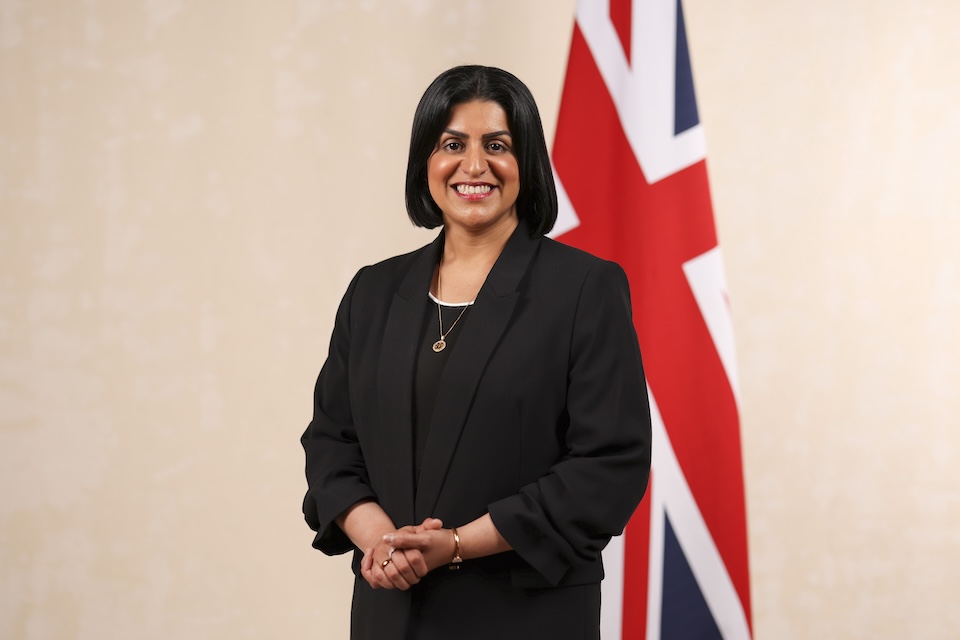
UK's Home Secretary Shabana Mahmood has dropped a proposal that would have required some migrant care workers already in the UK to wait 15 years before qualifying for permanent settlement. Under the revised plans outlined in the House of Commons, eligible care workers who joined the social care route before May 2025 and earn at least £25,000 a year working in the sector would retain a five-year route to indefinite leave to remain.
Mahmood also abandoned the proposed 15-year wait for other lower-income workers, replacing it with a 10-year pathway. The changes follow opposition from Labour politicians, trade unions and migrants who argued that applying longer settlement requirements to people already living in Britain would unfairly change the conditions under which they arrived.
Indefinite leave to remain, also known as settlement, allows a person to live, work and study in the UK without a time limit and claim benefits where eligible. Addressing MPs, Mahmood said the revised system would link settlement more closely to an individual’s contribution to the country. “The right to live in this country must now be earned, it will no longer be automatic,” she said.
The home secretary said a five-year pathway would remain available to people earning more than £50,000 a year, alongside qualifying workers in healthcare and education. A faster three-year route would be available to those earning more than £125,000, whom she described as making an exceptional contribution through taxation.
Mahmood argued that the taxes paid by higher earners supported services relied upon by people across the country, including those on the lowest incomes. Migrants outside the stated exceptions would generally face a 10-year route to settlement, including those earning less than £50,000. She said these applicants would be able to renew their temporary visas while demonstrating a sustained contribution.
The home secretary also outlined factors that could prevent a person from qualifying for settlement, including a criminal record, insufficient English-language proficiency, unpaid debt and failure to make National Insurance contributions. An immigration breach could extend the waiting period to 20 years, she added.
Existing arrangements would remain unchanged for several groups, including Hong Kong British National (Overseas) migrants, members of the armed forces, people with a British connection and those on legacy routes such as Windrush. Explaining the exemption for care workers, Mahmood said approximately 250,000 people and their dependants had arrived or switched into the social care route between 2022 and 2025.
She acknowledged the pressure on the sector following the Covid-19 pandemic but alleged that the route had also been abused under the previous Conservative government. Care workers who entered the route before May 2025, earn at least £25,000 in social care and meet the relevant conditions would remain eligible to apply for settlement after five years.
Mahmood said a second group who had not fulfilled their visa conditions would be offered a further opportunity through an application for another five-year visa. “Everyone will have a fair shot to make a contribution and no one will be punished for the sins of their employer,” she said. She added that there were tens of thousands of genuine vacancies in social care and said people with the relevant skills seeking another role should be able to find employment.
The home secretary said the same transitional approach would apply to qualifying public-sector workers in healthcare and education who came to the UK before May 2025. “But we will preserve the critical element of this reform that settlement must be linked to contribution,” she said. Mahmood also announced different settlement pathways for refugees, depending on how they entered the country. Those arriving through safe and legal routes would be placed on a five-year pathway.
Under the proposals, people arriving through irregular routes would face a 20-year wait, including those who subsequently entered employment or education. A further 10 years would apply to people arriving by small boat who did not move into work or study, creating a potential 30-year pathway. Mahmood said a full impact assessment would be completed as the reforms were implemented.
Documents published alongside her statement showed substantial opposition to the original proposals. The consultation received 204,667 online responses and 904 by email. Of the responses, 202,241 came from individuals, with current visa holders accounting for 73 per cent and British citizens a further 18 per cent. According to the government’s analysis, 84 per cent of individual respondents and 79 per cent of organisations disagreed with the proposed settlement changes.
Opposition stood at 89 per cent among respondents with refugee status or humanitarian protection, 86 per cent among current visa holders and 77 per cent among British citizens. A recurring concern was the perceived unfairness of changing requirements for people already progressing towards settlement. Shadow Home Secretary Chris Philp criticised the concessions, particularly the exemption for social care workers.
He said Mahmood had spent a year building a reputation for being tough on immigration but had dismantled it in “12 short minutes”. Philp accused her of losing support within Labour, referring to challenges from Housing Secretary Angela Rayner and Energy Secretary Miatta Fahnbulleh.
He said the Conservatives would go further than the government and would have supported Mahmood’s earlier proposals. Rather than relying on what he described as “mass low-skilled immigration”, Philp urged ministers to focus on bringing young people who were not in education or employment into work through welfare reform. “If she capitulates to the open borders Left, her credibility as home secretary will not recover,” he said.
Rayner had previously described the proposed changes for migrants already in Britain as “un-British”, arguing that people had arrived in good faith under existing rules. Trade unions also pressed for changes. Delegates at the Trades Union Congress backed a motion calling for proposals affecting workers already in the country to be withdrawn.
Prime Minister Andy Burnham had said the reforms needed to “strike the right balance” and reflect the range of views submitted during consultation. In a separate ITV interview, Burnham said it was difficult to judge whether legal migration was too high or too low without considering gaps in the economy.
“I think when you have planned migration it’s difficult to say whether it’s too high or too low because it’s got to be, if you like, following gaps in the economy,” he said. The report cited Office for National Statistics figures showing net migration of 171,000 in 2025, almost half the level recorded the previous year.
It also reported 93,525 asylum claims in the year to March 2026, down 12 per cent on the previous year but still more than twice the pre-pandemic level. Burnham said 22,128 people had arrived by small boat up to October 31, a fall of 40 per cent compared with the same period a year earlier.
The report noted that restrictions introduced in 2024, including limits on most overseas students bringing dependants, were likely to have contributed to falling migration. Labour retained those measures and proposed further changes, including ending overseas recruitment into care roles.















No comments yet. Be the first to share your thoughts.